

This article is part of a sponsored series brought to you by IDS Research & Development, Incorporated. View Series
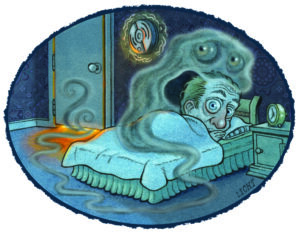 If a Fire Alarm System fails, it is important to forensically examine if the system was properly Inspected, Tested and Maintained. To the extent that an Alarm Contractor fails to properly perform each of these tasks, the results can be catastrophic.
All Fire Alarm Systems are required to be Inspected, Tested and Maintained at least annually, whether they are installed by the property owner or by a Certified and Licensed Alarm or Electrical Contractor. Given that, one of the most important reasons why alarm system systems fail is because the Smoke Alarms, Smoke Detectors or Fire Alarm Systems have not been properly Inspected, Tested and Maintained. NFPA 72®- National Fire Alarm and Signaling Code is the most authoritative treatise on Fire Alarm Systems and is prescriptive. In fact, it is adopted in every State of the United States by either the Building and/or Fire Code.
How Do You Know If the Smoke Alarms or Smoke Detectors were Properly Inspected, Tested, and Maintained?
- NFPA 72 provides documentation that is required to be filled out by the service provider.
- NFPA 72 has a section where the technician is required to determine if there were any system deviations or not.
- If the NFPA 72 inspection, testing and maintenance documentation states that there were no system deviations found, but after a fire loss it is identified that the system does not comply with the mandatory minimum requirements of NFPA 72, meaning that it has deviations, then the company who was contracted to perform these services can be held to be civilly responsible under the theory that but for the system not being properly inspected, tested and maintained it would have operated as it was intended to perform, and the damages sustained would have been significantly minimized.
- To the extent that no documentation was provided or exists, the absence of it is considered to be a Fire Code violation because it is not optional under the code.
It is also important to note that although the terms Smoke Alarms and Smoke Detectors are used interchangeably, they have different meanings under NFPA 72®. To begin with, Smoke Alarms are automatic detection devices commonly purchased from stores such as Home Depot, Costco, Target, and the like.
On the other hand, Smoke Detectors are Listed to UL 268®. This is the Standard for Safety for Smoke Detectors for Fire Alarm Systems. With regards to UL 268® Listed Smoke Detectors, these are the types that are professionally installed by Certified and Licensed Alarm Contractors and are connected to a Control Unit in the protected premises. At the same time, these Smoke Detectors are monitored through the Control Unit by a Remote Supervising Station, or Central Station, which, upon receipt of an alarm condition, is required to immediately dispatch the fire authorities to the premises.
When Claims Professionals know what to look for and/or request in these types of cases and claims, it can help in identifying responsible parties.

Was this article valuable?
Here are more articles you may enjoy.
 TikTok Accused by NY of Running Secret Safety Tests on Teens
  ‘Unusual’ Isaias Brings Winds, Downed Trees But Fewer Claims Than Expected
  Exxon Blocked Proposal to Settle $5 Billion Kashagan Dispute
  Will California’s New Smoke Claims Law Create a Recovery Bottleneck?
Want to stay up to date?
Get the latest insurance news
sent straight to your inbox.