

This article is part of a sponsored series brought to you by IDS Research & Development, Incorporated. View Series
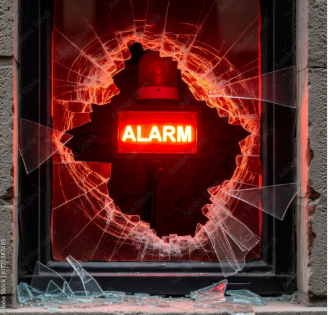 Audio Glass Break Detectors are intrusion detection units that utilize a built-in microphone designed to detect the sound of breaking glass during an intrusion event. When a forcible glass-break entry occurs, it generates a specific acoustic frequency, and the audio glass break detector’s on-board microphone is designed to detect this frequency and trigger the alarm system. The range of audio glass break detectors is up to thirty (30) feet from their installed location. Given that, based on the audio glass break detector’s range, they can cover a row of glass windows within this range.
When An Audio Glass Break Detector Fails – The Intruder Has The Opportunity to Burglarize The Premises Without The Alarm Activating and Police Response
The failure of the burglar alarm system to activate during an intrusion event will foreseeably increase the loss, because the expectation was that the premises were protected by the burglar alarm system. Similarly, insurance carriers and underwriters see it the same way. As a result, losses from these claims and the amount of money damages insurers have had to pay for burglary losses have dramatically increased due to burglar alarm systems failing.
Alternatively, had the burglar alarm system been activated, the losses have been demonstrated to be substantially lower, or no damages are sustained because the alarm system’s activation creates a convincingly effective deterrent and the perpetrators flee.
The Top 4 Reasons That Audio Glass Break Detectors on Burglar Alarm Systems Fail to Detect Intrusion Are Primarily Caused By Alarm Contractors
- The audio glass break detector was not properly programmed into the control panel, so while it was mounted, it was never connected to the alarm system.
- The audio glass break detector is mounted too far away from the perimeter glass that it was intended to protect. As a result, this validates that the alarm technician failed to properly test this unit.
- The audio glass break detector’s on-board microphones’ sensitivity was set too low by the alarm technician, and it is not able to detect the sounds of breaking glass in the area where this intrusion sensor was mounted. This illustrates that the alarm contractor failed to properly test the sensor.
- The Alarm Contractor failed to ensure that the glass which they intended to electronically protect did not have Window Shades and/or Treatments that would impede the alarm sensors ability to detect intrusion since they absorb and/or block the sounds of breaking glass from reaching the on-board microphone that is built into the audio glass break detector, which in turn, caused the sensor to fail.
When an Alarm Contractor breaches its duties and is a proximate cause of the damage sustained, as a responsible party, it can be targeted for subrogation litigation and recovery.

Was this article valuable?
Here are more articles you may enjoy.
 Tesla Faces Probe Over Claim of Robotaxis Speeding in School Zones
  Exxon Blocked Proposal to Settle $5 Billion Kashagan Dispute
  TikTok Accused by NY of Running Secret Safety Tests on Teens
  Tesla Drops ‘Self-Driving’ Branding to Appease Europe Regulators
Want to stay up to date?
Get the latest insurance news
sent straight to your inbox.