
Live Nation Entertainment Inc.’s Ticketmaster was so dominant in the U.S. live concert business that rival SeatGeek Inc. was offering arenas “retaliation insurance” for any events they lost by switching ticket sellers, according to testimony at a landmark antitrust trial.
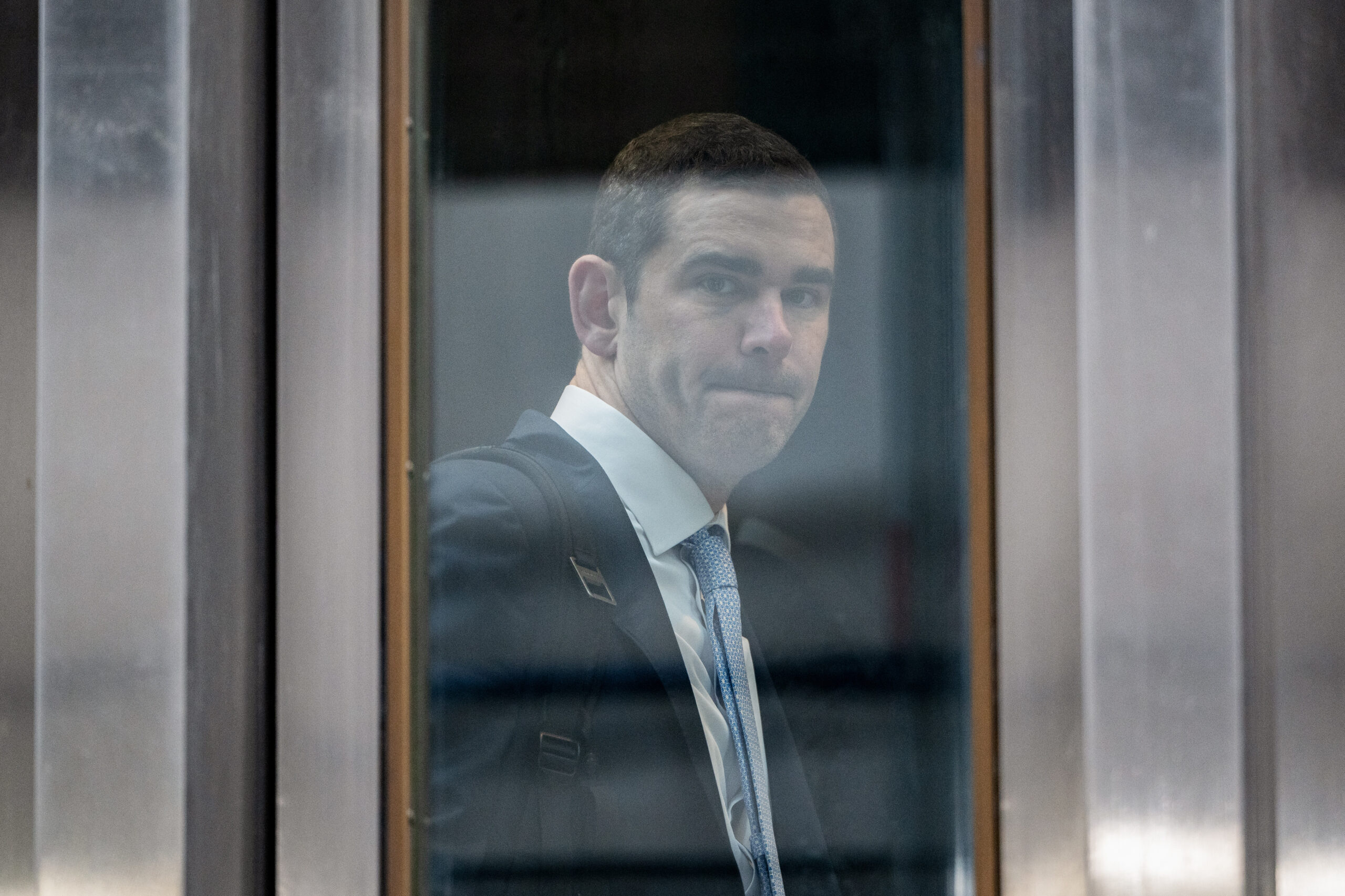
Almost every hockey and basketball arena using Ticketmaster “expressed extreme levels of concern” that Live Nation would shut them out of lucrative concerts if they used another ticketing service, SeatGeek Chief Executive Jack Groetzinger testified Friday in New York.
To remedy that concern, SeatGeek offered the insurance to more than a dozen venues, and formally included it in four contracts, Groetzinger said. So far, two teams that switched — the National Football League’s Dallas Cowboys and National Hockey League’s Florida Panthers — have made claims, though the only payment was under $1 million to the Panthers and that could have been triggered for reasons other than lost shows, he said.
The U.S. government is seeking a breakup of Live Nation, which it accuses of forcing venues into signing long-term, exclusive contracts with Ticketmaster by threatening to withhold concerts. The company denies it violates any antitrust laws. The trial began Tuesday and is expected to last six weeks.
Groetzinger is a vital government witness and played a key role in pushing for the government investigation of Live Nation that resulted in a lawsuit by the US Justice Department.
Ticketing Rivals
SeatGeek and other ticketers including AEG Presents’ AXS argue that the threats to venues and long-term contracts make it hard for them to get a toehold in the market. AXS is Ticketmaster’s biggest competitor but controls just 9% of the market, according to the DOJ, while SeatGeek comes in with a paltry 1% share.
AEG Presents CEO Jay Marciano began testifying at the end of Friday and will continue next week.
On cross-examination, a Live Nation attorney sought to paint Groetzinger as self-interested and seeking to hobble a competitor by pushing for the government to investigate and sue its biggest rival.
Groetzinger admitted that he’d sent a “smiley face emoji” to one of his investors after Live Nation lost $1.5 billion in market value following news reports about the DOJ investigation, and that he told a colleague he was “delighted to learn” about the personal impact the investigation had on an unidentified Live Nation employee.
Groetzinger also acknowledged that when he approached Ryan Smith, a SeatGeek client and the owner of the Utah Jazz basketball team, about cooperating with the government investigation, Smith responded that he was never threatened by Ticketmaster for using SeatGeek.
U.S. District Judge Arun Subramanian, who is presiding over the case, barred a number of Groetzinger’s remarks as hearsay, including testimony about why the company was unable to sign a ticketing contract with the National Basketball Association’s Charlotte Hornets.
Under questioning by a Live Nation lawyer, the SeatGeek CEO said his company has continued to grow and sign new business, despite the hurdles, and that SeatGeek’s ticketing contracts are also exclusive, sometimes lasting as long as 10 years. He said it was common industry practice, though he signed such deals as a defensive measure against Ticketmaster.
Groetzinger also acknowledged that a colleague of his at SeatGeek referred to the retaliation threat “as bogeyman, rather than a reality.”
During trial testimony on Thursday, veteran Washington promoter Seth Hurwitz said that, as an independent venue owner, he’s overly dependent on Live Nation for concerts and switched to Ticketmaster to access more shows. But he also said he has never been threatened by the company and enjoys working with them. “They do a great job.”
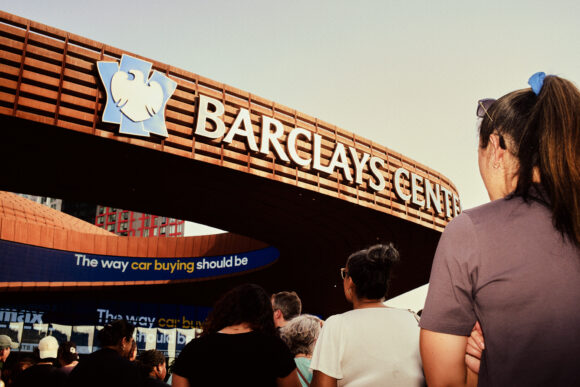
On Wednesday John Abbamondi, former CEO of the owner of Brooklyn’s Barclays Center, testified that after switching the arena from Ticketmaster to SeatGeek in 2021, he quickly switched back two years later because of a steep decrease in Live Nation-promoted shows booked at his venue. He said shortcomings by SeatGeek also played a role.
Live Nation counters that SeatGeek’s product was inadequate and the switch was prompted by quality concerns.
Groetzinger said a senior Barclays executive told him they had “grave concerns with various aspects of SeatGeek’s technology,” which the venue claimed had “caused irreparable harm” to its business. Groetzinger said he believed Barclays was just looking for a reason to terminate the SeatGeek contract because it was losing shows.
Abbamondi also told the jury that he had conversations with SeatGeek and others about raising concerns with the Justice Department and others enforcers over alleged anticompetitive conduct by Live Nation. Abbamondi said that SeatGeek had agreed to indemnify Barclays Center as part of that process, though he did not accept the offer.
On Friday, Groetzinger said the Barclays contract was unfavorable to SeatGeek economically but helped win business from other arenas. He testified that the only way to win the deal was by offering $20 million in equity to Barclays owner.
The case is U.S. v. Live Nation Entertainment, 24-cv-03973, US District Court, Southern District of New York (Manhattan).
Top photo: The Barclays Center in New York.
Was this article valuable?
Here are more articles you may enjoy.
 Recovery Starts Before the Loss: What Claims Professionals Know About Severe Weather Preparedness
  Anxiety Over Gas Prices Points to ‘Looming EV Comeback’ in US
  First Atlantic Hurricane of 2026 to Threaten US Gulf Coast
  Report: Property Claims Face Delays, Are Growing More Complex
Want to stay up to date?
Get the latest insurance news
sent straight to your inbox.