
Hundreds of mom-and-pop investors lost more than $15 million in crypto and cash in fake artificial-intelligence stock trading schemes fueled by boosters in WhatsApp group chats, the Securities and Exchange Commission said Tuesday.
The SEC filed two separate lawsuits against platforms Cryptoaiml Ltd. and TSAI Pro Ltd., alleging they and affiliated entities lured customers with promises of AI-powered stock trading, but pocketed their crypto and cash payments and funneled them to accounts overseas. The platforms also assured customers they were overseen by the SEC, according to the court filings.
They were high-tech versions of old-fashioned scams, the agency said in its lawsuits, filed in federal court in Manhattan. The suits don’t name individual defendants. The SEC didn’t have defense attorney representation available for the firms.
“Although the methods used to bilk innocent investors in these fraudulent investment scams varied, the goal was the same – promise potential investors outsized returns, claim that they were legitimate entities regulated by the SEC, and then steal their money,” David Woodcock, director of the SEC’s Division of Enforcement, said in a statement.
Cryptoaiml, which allegedly bilked investors out of $12.5 million, in 2024 filed a notice of exempt offering of securities with the SEC and used that filing, which the agency said included a fake name, to purport to be overseen by the regulator.
The other platform, TSAI Pro, used a similar playbook, promising customers they could profit by renting bots programmed with artificial intelligence to trade on their behalf, the SEC said. Customers lost more than $2.5 million on the site, the lawsuit states.
No trading took place on either platform, per the agency. Cryptoaiml posted made-up trading profits and in client accounts. WhatsApp group chats included what appeared to be legitimate investment advisers offering AI-generated stock tips. Other participants in the chat, purporting to be fellow investors, posted messages about their big gains, encouraging others to pour in money, the lawsuit states.
Apparent WhatsApp-fueled investing schemes also have stoked volatile trading in the smallest public company stocks, Bloomberg has reported. The SEC in December issued a warning about fraudsters using group chats as a “gateway to investment scams.”
WhatsApp wasn’t accused of wrongdoing and its parent company, Meta Platforms Inc., didn’t immediately respond to a request for comment.
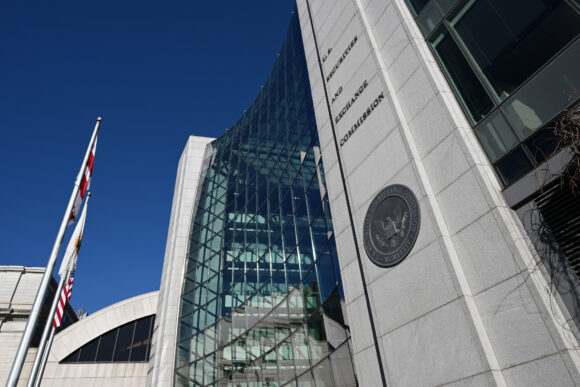
Top photo: The US Securities and Exchange Commission headquarters in Washington, DC, on Monday, March 9, 2026. Photographer: Matt McClain/Bloomberg.
Was this article valuable?
Here are more articles you may enjoy.
 French Supermarkets’ Cyber Insurance Unlikely to Cover Food Losses, Insurers Say
  Will California’s New Smoke Claims Law Create a Recovery Bottleneck?
  New York Arrests 16 in Crackdown on Staged Insurance Crashes
  Apple-OpenAI Judge Says He’s ‘Likely’ to Side With iPhone Maker
Want to stay up to date?
Get the latest insurance news
sent straight to your inbox.