
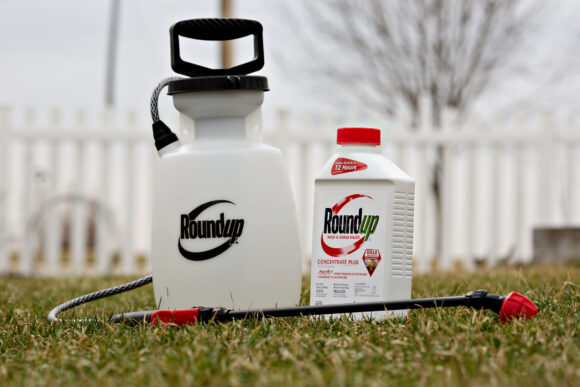
A federal judge overseeing thousands of cancer lawsuits against Bayer AG and its Roundup weedkiller said he had “grave concerns” about whether a proposed $7.25 billion class-action settlement in Missouri could properly address future claims outside the state.
At a hearing last week, U.S. District Judge Vince Chhabria in San Francisco questioned whether an accord reached in a Missouri state court would be legally binding on plaintiffs elsewhere, especially former Roundup users who have yet to file their claims because they haven’t developed cancer.
Related: Bayer Gets Mixed Reception at Supreme Court on Roundup Suits
Chhabria also criticized some specific terms of the deal and the way backers persuaded a St. Louis judge to grant preliminary approval for it. But he refused to block the settlement, saying he may revisit the issue when a plaintiff challenges it in his court.
“Whatever problems there are with this settlement agreement — and there are many — that is for the appellate courts in Missouri to address and possibly the United States Supreme Court to address,” Chhabria said at hearing Thursday, according to a court transcript.
Bayer officials said Monday they believe the settlement has the backing of enough plaintiffs’ that it will be approved by the Missouri judge. “We look forward to moving ahead with the settlement process in the Missouri courts,” Bayer said in an emailed statement.
The company has insisted the weedkiller is safe and doesn’t cause cancer. The U.S. Environmental Protection Agency has found glyphosate — Roundup’s active ingredient — “unlikely to be a human carcinogen” and hasn’t required a cancer warning be added to the product label. Still, Bayer removed its glyphosate-based version from the US residential market in 2023.
Bayer has failed to contain litigation over Roundup since acquiring the weedkiller’s manufacturer, Monsanto, for $63 billion in 2018. Out of 28 cases that have gone to trial since 2015, plaintiffs have won 11, according to Bayer’s 2025 annual report. Several have produced big-dollar damage awards.
Investor concern over the company’s liability has hurt Bayer shares, which are down about 60% since the Monsanto deal. Chief Executive Officer Bill Anderson is weighing whether the company should stop making glyphosate and has vowed to get a handle on the litigation by the end of this year.
Bayer asked the U.S. Supreme Court last week to overturn a $1.25 million Missouri state-court jury verdict for a man who claims Roundup caused his non-Hodgkin lymphoma and should have had a cancer warning label. The company contends since U.S. regulators didn’t require a cancer warning, federal law bars such failure-to-warn claims in Roundup lawsuits.
Chhabria rejected a 2021 proposal made by Bayer and some plaintiffs lawyers to resolve Roundup class-action cases because the deal didn’t properly address future claims. The new Missouri accord aims to entice current and future Roundup claimants to review a settlement offer and opt out if they aren’t satisfied to return to the regular court system.
The judge questioned “the validity of this class-action settlement and about the effect on the rights of plaintiffs and potential plaintiffs in California,” according to the transcript.
Chhabria pointed to the deal’s opt-out provisions, tagging them as “bizarre.” He took issue with a requirement all Roundup users must decide whether to sign up for the settlement this summer, even if they don’t have cancer now.
Settlement backers said Chhabria’s critique of the settlement isn’t relevant to whether its approved in Missouri.
“After hard-fought negotiations, we reached a settlement that provides real compensation to Roundup victims diagnosed now or in the coming years,” said Chris Seeger, a New Jersey based plaintiffs’ lawyer who helped create the deal. “We look forward to answering objections and securing approval for the Roundup settlement in the proper venue, which Judge Chhabria recognized is Missouri state court.”
The case is Randal King v Monsanto, No. 2622-CC00325, Missouri 22nd Judicial Circuit Court (St. Louis).
Top photo: Bayer AG Roundup brand weedkiller concentrate is arranged for a photograph in Princeton, Illinois, U.S., on Thursday, March 28, 2019. Bloomberg.
Was this article valuable?
Here are more articles you may enjoy.
 Hackers Tricked Asos Employee to Steal Work Account Login
  HSBC Executive Strikes Back in Court Fight Over Poaching Claims
  Slips, Trips And Falls: Why It’s Important to Get Ahead of An Incident
  Google Accused of Overcharging 20 Million Consumers in UK Class Action
Want to stay up to date?
Get the latest insurance news
sent straight to your inbox.