

In California, historically, when a plaintiff filed a personal injury action relating to their own injuries and then died mid-litigation and the case was converted to a wrongful death action, the value of the case was viewed as substantially diminished.
This is because in California, under the Code of Civil Procedure section 377.34 (“CCP 377.34”), pain and suffering damages were deemed to be non-recoverable following a plaintiff’s death. Instead, damages were limited to “the loss or damage that the decedent sustained or incurred before death, including any penalties or punitive or exemplary damages that the decedent would have been entitled to had the decedent lived,” sometimes referred to as a “death discount” by plaintiffs.
This changed on October 2021, largely due to the effects of the massive backlogs from the COVID-19 pandemic, when California Gov. Gavin Newsom signed Senate Bill 447 which allowed the personal representatives of estates to recover pain and suffering damages in California litigation matters.

The legislation amended CCP 377.34, and permitted successors-in-interest to recover for a decedent’s pain, suffering, or disfigurement where the action or proceeding was either granted trial preference before Jan. 1, 2022 or was filed after Jan. 1, 2022 and before Jan. 1, 2026. This amendment was celebrated by plaintiffs because it changed how matters were valued in California following the death of an injured plaintiff.
Under the amendment, survivors or personal representatives of a decedent could recover damages for pain and suffering, resulting in substantial increases in the amount of damages awarded in survival actions. Additionally, the amendment resulted in increased settlement demands, which translated into larger settlements paid to a decedent’s representatives in survival actions. The amendment also had an unexpected benefit for defendants regarding plaintiffs’ arguments for trial preference. Before this amendment, plaintiffs often argued that a preferential trial date was necessary because, without it, they could lose the right to recover pain and suffering damages if they died before trial. With the amendment to CCP 377.34, that argument was no longer valid.
The amendment to CCP 377.34, however, was designed with a sunset date of Jan. 1, 2026, meaning it was set to expire unless the California Legislature extended that time. In 2023, the California Legislature introduced Senate Bill 29, a bill that would have extended SB 447’s non-economic survival damages through Jan. 1, 2027.
SB 29 drew strong support from plaintiffs, who argued that SB 447 corrected an unjust gap in California law. SB 29 also garnered significant resistance from the medical industry and insurers, who argued that SB 29 undermined the balance struck in the 2022 revisions to the Medical Injury Compensation Reform Act, potentially increasing malpractice insurance costs. However, in September 2025, SB 29 was ordered inactive, meaning it would not be voted on before the close of the legislative session. So, SB 447 has automatically lapsed and CCP 377.34 reverted back to its original form for all matters filed after Jan. 1, 2026.
This means that successors-in-interest will be unable to claim non-economic damages such as pain and suffering, and disfigurement in survival actions. Damages in those cases will be limited to economic losses, including medical expenses, lost earnings and future costs. The practical effect of the lapse of SB 447 is that this can lead to lower damage caps as case values will generally be lower, especially in cases where non-economic damages, such as pain and suffering, were a significant component of the plaintiff’s claims.
While it was initially anticipated that the amendment of CCP 377.34 could have resulted in larger settlements, it is also anticipated that the reverting of CCP 377.34 to its original language may again impact settlement negotiations, as defendants may be less inclined to entertain higher settlement demands, especially if large non-economic judgments are no longer an issue.
Because California’s temporary rule allowing pain‑and‑suffering damages in survival actions expired on Jan. 1, 2026, plaintiffs will no longer be able to argue that they need a preferential trial date to avoid losing those damages if the plaintiff passes away before trial. With that issue off the table, requests for trial preference will return to the usual factors, such as the plaintiff’s declining health, the risk that key witnesses may become unavailable, and general fairness concerns. Because the added urgency created by the temporary damages window will disappear, courts may view these requests as less pressing than they have in recent years.
As we enter 2026, any cases filed this year will fall within the scope of the reverted code prevision. However, it is anticipated that courts may see new disputes over the application of the sunset to cases pending at the turn of the year.
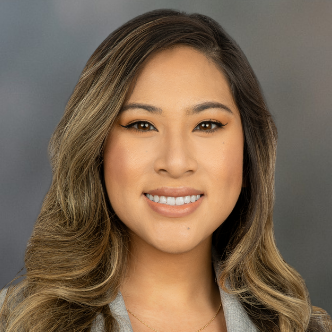
Stricklin is a partner at Walsworth and leads the firm’s life sciences practice group. She defends clients in complex civil litigation, including life sciences, product liability, and general liability matters, and has experience representing manufacturers, suppliers, retailers, and medical device and pharmaceutical companies in multi‑party disputes.
Cortes is an associate at Walsworth and focuses her practice on general liability, asbestos litigation, and toxic tort matters. She handles all aspects of pretrial case workup and brings experience from her roles as a litigation law clerk for a major public utilities company and as a legal advocate for underprivileged youth.
Was this article valuable?
Here are more articles you may enjoy.
 Agentic Intelligence for Claims Dominates New Tech Launches
  Google Accused of Overcharging 20 Million Consumers in UK Class Action
  HSBC Executive Strikes Back in Court Fight Over Poaching Claims
  Goldman Sachs Ensnared in EY Data Breach Earlier This Year
Want to stay up to date?
Get the latest insurance news
sent straight to your inbox.