
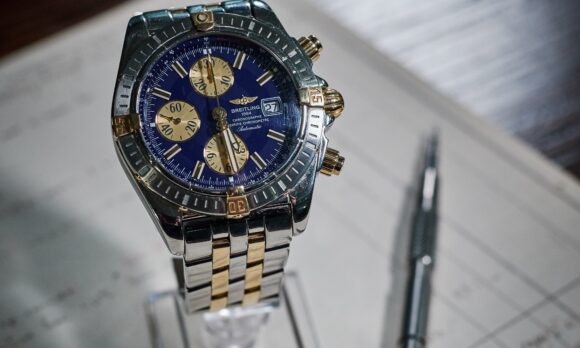
Luxury watches have long attracted crime. These small, high-value, portable goods are easier to steal than fine art, and easier to transport than drugs or arms.
Press coverage as early as the 1990s was calling attention to how Rolex watches were becoming prime targets in London street robberies. The Watch Register database holds records of stolen watches dating back to the 1970s and 1980s, with thefts from those early years reported from all over the world—from Brazil, to Canada, Denmark, Thailand and Australia—showing that this is and always has been a global problem.
Seemingly innocuous, luxury watches have become a currency for criminals, and an effective medium for transporting illicit funds across the globe. While luxury watches are now well entrenched in organized crime and stories of watch robberies are hitting the press on a near-daily basis, a lesser-known risk is the increasing use of watches as a tool for fraud.

The emergence of luxury watch fraud as a growing trend came fast on the heels of the outbreak of the COVID pandemic. With jewelers shutting up shop, people staying home and streets deserted, robbery rates plummeted and online fraud quickly established itself as the new prevalent modus operandi. The number of watch theft incidents reported to The Watch Register in the second quarter of 2020 dropped to 40% of the same period in 2019. With criminals looking for new ways to make money, fraud developed in countless manifestations over the course of the following year: elaborate refund scams and chargeback requests, use of counterfeit watches, cryptocurrency scams, customer-not-present transactions, and the purchase of watches via fraudulent finance applications, to name but a few.
These MOs have remained engrained in the watch market ever since, with a further myriad new frauds and scams emerging in line with new industry trends. In short, as the primary forum for business and trading activity shifted online in the last five years, the internet proved itself to be a large-scale enabler for fraud.
At the same time, economic pressures and easy access to new technologies have contributed to a rise in opportunistic insurance fraud, with luxury watches becoming an asset of choice. Recovery operations for watches reported lost or stolen have identified that 10% of overall cases are linked to suspected or proven fraud—and the true figure is expected to be much higher. Indeed, some claims adjusters have relayed anecdotally that they believe the proportion of fraudulent insurance claims for watches to be 50% or more.
Related: Database Shows Luxury Watch Thefts, Insurance Fraud on The Rise
Insurers may wonder, why are watches so attractive to fraudsters? The answer can be found in the strength of the pre-owned market and the prevalence of counterfeit goods—as well as a lack of appropriate measures taken by insurers to carry out due diligence on the insured item.
The booming pre-owned watch market is a key driver of theft and fraud. The primary market has seen stratospheric demand and excessively long waiting lists for the most popular models of watches, motivated by the manufacturers’ efforts to maintain exclusivity and limit supply to loyal, high-spending customers.
Most buyers looking to get their hands on these models were only able to do so by turning to the pre-owned market, meaning that for some highly desirable references, the values on the pre-owned market shot to 2-3 times the value of brand new. Although secondary market prices have declined since the boom in 2022, many models are still priced higher than retail and watches typically hold their value when resold. It is these high premiums that incentivized criminal gangs to steal watches. The roughly $30 billion secondary watch market is in fact growing to such an extent that it is set to exceed the value of the roughly $60 billion primary market in the next 10 years. A growing proportion of watch owners will therefore be insuring pre-owned watches, rather than brand new.
Every pre-owned watch carries a risk of being stolen or counterfeit. This may be known or unknown to the policy holders—due to the ubiquity of illicit goods on the secondary market. Many buyers purchase from traders or marketplaces they believe to be reputable, but ones that have failed to perform due diligence. Unfortunately, too many buyers still rely on the luxury feel or postal code of a jewelry store, or the renown of major ecommerce brands, as promise of a risk-free purchase. Insurers will therefore struggle to distinguish fraudulent claims from honest claims that may involve stolen or counterfeit items.
The market is flooded with fakes, with replica production estimated to be twice the volume of genuine watches manufactured each year. Worse still, we have entered an era of “superfakes,” where 10% of the 40 million fake watches produced each year are so convincing as to be effectively undetectable as counterfeits, unless inspected by the manufacturer or an authorized expert. It would be near impossible for an insurer to identify a high-quality replica watch from a photo provided by a policyholder.
In addition to this, the market is awash with fake watch paperwork. Have a quick browse on online marketplaces and you’ll find an enormous array of blank watch guarantee cards, which can be easily printed with a serial number and vendor name to be passed off as the real thing. Look further still, and you’ll find genuine watch paperwork on these same sites selling for just a couple hundred dollars—insurance investigators needn’t think twice about how that might be misused. Add to this the availability of online tools to create digitally manipulated or AI generated documentation, and you have fertile ground for fraud.
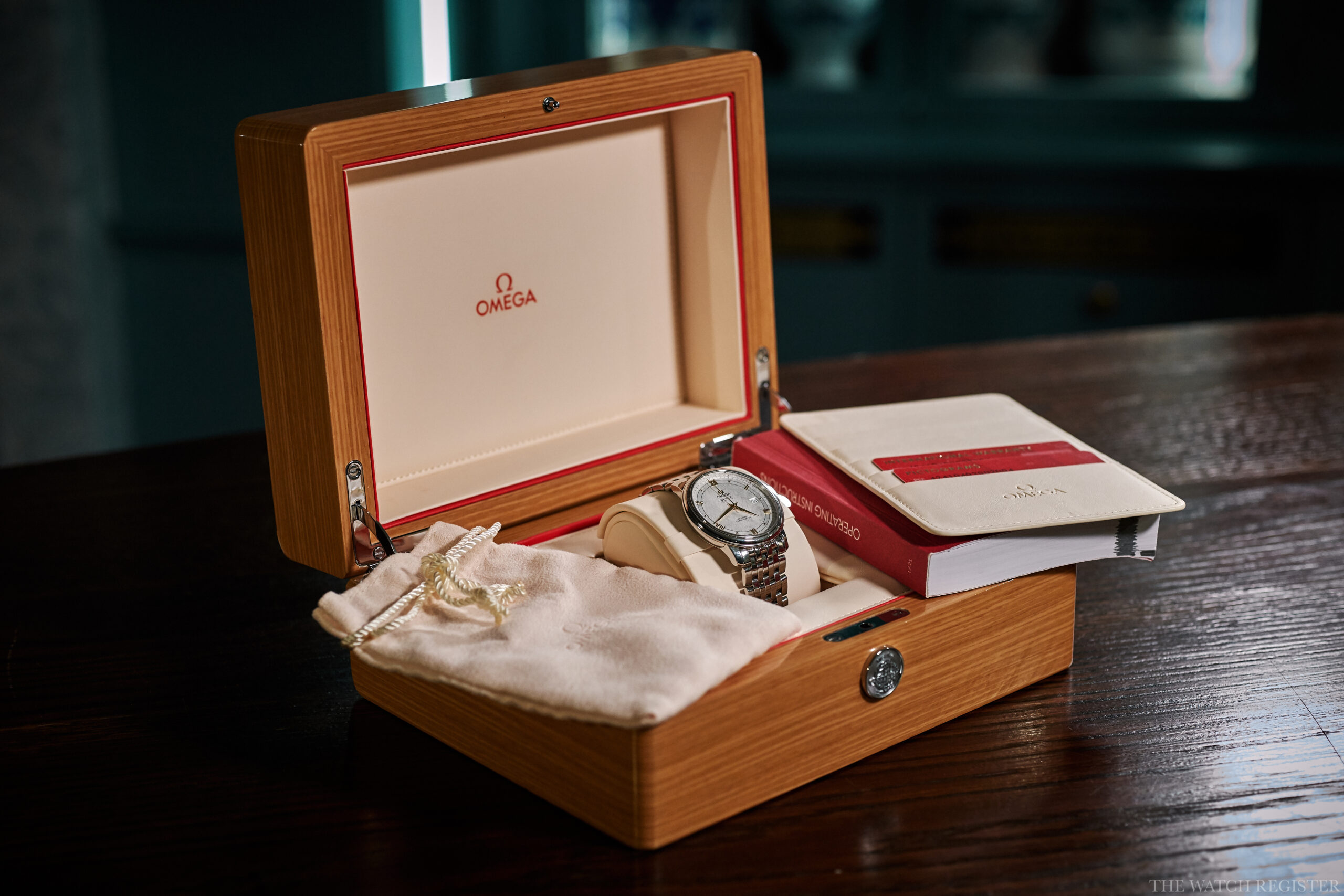
So how do we navigate this thorny landscape? Historically the focus in fraud detection has been on the person, but due diligence must also be on the item itself. The key element to countering watch theft and fraud is the serial number of the timepiece. Every modern wristwatch is inscribed with a serial or edition number that allows the watch to be uniquely identified, like a fingerprint. Recording and verifying this serial number is every fraud and criminal investigator’s best weapon for fighting watch crime. These measures allow insurers to demonstrate compliance with federal and state regulations and the development of an anti-fraud plan.
The journey of recording a watch’s serial number starts at inception of the policy. By running systematic checks on all watch serial numbers at the underwriting stage, insurers can flush out problems from the outset. Fictitious losses, defective title, counterfeit items and multiple insurance claims for the same item can be detected with instant results. It goes without saying that requesting the serial number from policyholders while they still have the watch in hand is far more effective than attempting to obtain it once the customer has lost the watch and mislaid the papers.
Insurers who do not perform serial number checks are taking on a blind risk. Coverage is provided for items with no knowledge if the watch is genuine or if the policyholder has good title. These are not items of insubstantial value: the most popular Rolex model, the Submariner, is valued at around $14,000; while prices reach hundreds of thousands of dollars if not millions for a rare Patek Philippe or Richard Mille.
A second serial number check should be done at the point of claim. This allows claims adjusters to ascertain if the watch is still clear from the database—and avoid paying out if another insurer, former owner or police officer have reported a claim since insurance cover was first offered.
The serial number is wielded for a third and final time with the essential step of reporting the claim on the lost and stolen database to ensure the watch can be traced on the international market. The global nature of the database is critical here, as watches move quickly across borders and continents. This step facilitates recovery and offers further opportunities for fraud detection, such as owners selling watches they allege were stolen, or inflated claims for watches that were never part of a loss. Swift reporting is crucial to a successful claim and ensures that watches can be located at the earliest opportunity, ideally before they are resold in an unfavourable jurisdiction.
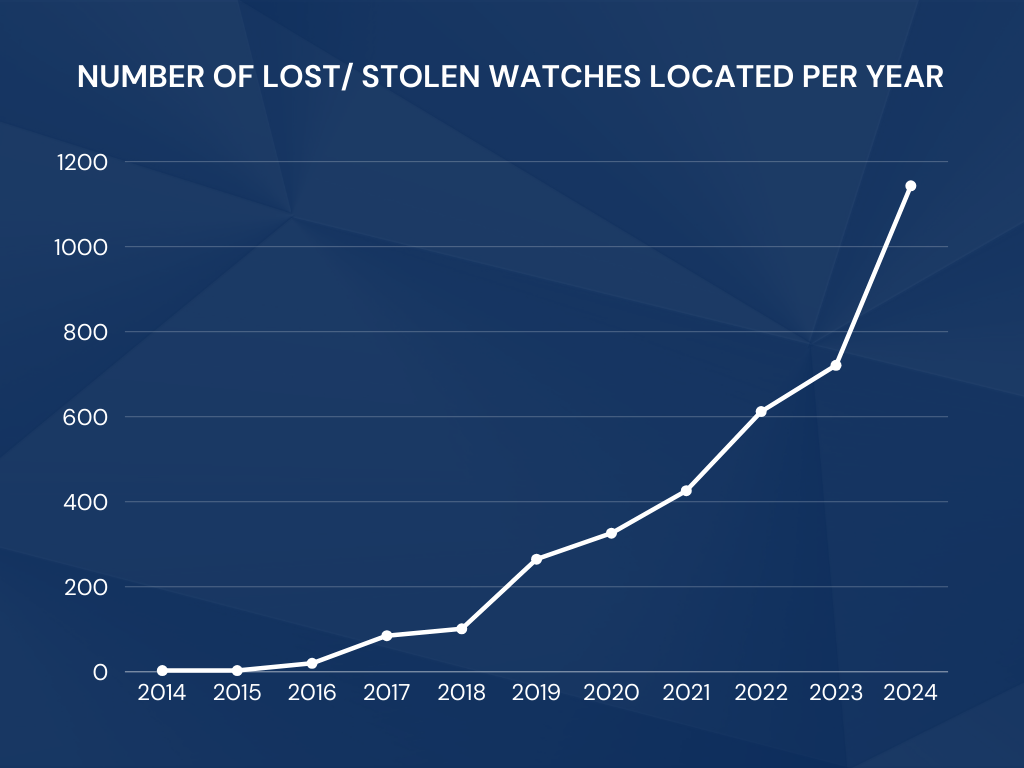
With an ever-growing network of traders consulting the database before purchasing a pre-owned watch, there is a good chance the claimed item will be found. Five lost and stolen watches are currently located by The Watch Register database every working day, with 75% of all recoveries for the benefit of insurers. The number of successfully located watches is rising exponentially year-on-year. Better still, discoveries are happening quicker than ever before: 50% of all recovered watches are found within one year of the date of loss, and one third within six months. This means that increasingly pertinent intelligence can be provided to SIUs on the sellers of lost and stolen property.
This year has seen a noticeable surge in interest from insurers in adopting fraud detection measures for luxury watches. The effectiveness of the database to recover property and detect fraud rises exponentially when data from maximum sources is consolidated, making international collaboration essential. It’s time for the industry at large to engage in proactive item investigation and comprehensive data sharing, and to leverage technologies against the individuals who misuse them.
Hills is managing director of The Watch Register. Email: info@thewatchregister.com.
Top photo: A stolen Breitling watch that was recovered. All photos by James Hills, The Watch Register.
Was this article valuable?
Here are more articles you may enjoy.
 Exxon Blocked Proposal to Settle $5 Billion Kashagan Dispute
  TikTok Accused by NY of Running Secret Safety Tests on Teens
  Tesla Faces Probe Over Claim of Robotaxis Speeding in School Zones
  Tesla Launches Roadster at SpaceX Site in Latest Merger Hint
Want to stay up to date?
Get the latest insurance news
sent straight to your inbox.