
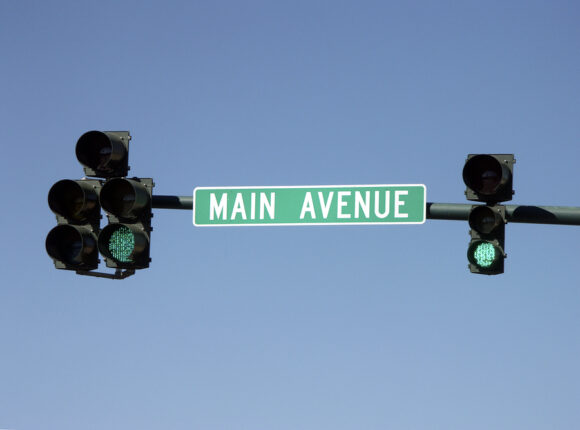
A group’s pilot program to cut air pollution in Pittsburgh, Pa., by developing “smart” traffic signals that communicate with one another is showing promise and should be expanded.
The technology was developed at Carnegie Mellon University and funded by the Henry L. Hillman Foundation, while the Heinz Endowments’ Breath Project and the Richard King Mellon Foundation have funded the pilot program.
 Officials on Monday say the traffic signals in the city’s congested East Liberty section have cut the time motorists spend waiting in their vehicles by 40 percent and overall travel time through the area by 26 percent. That has resulted in a projected 21 percent reduction in vehicle emissions.
The signals use artificial intelligence to communicate so the signals can adapt to changing traffic patterns in real-time to reduce traffic congestion.
Was this article valuable?
Here are more articles you may enjoy.
 Google Accused of Overcharging 20 Million Consumers in UK Class Action
  Slips, Trips And Falls: Why It’s Important to Get Ahead of An Incident
  Report: Property Claims Face Delays, Are Growing More Complex
  Google Faces $3.2 Billion Damage Claims on Ad-Tech Monopoly
Want to stay up to date?
Get the latest insurance news
sent straight to your inbox.