
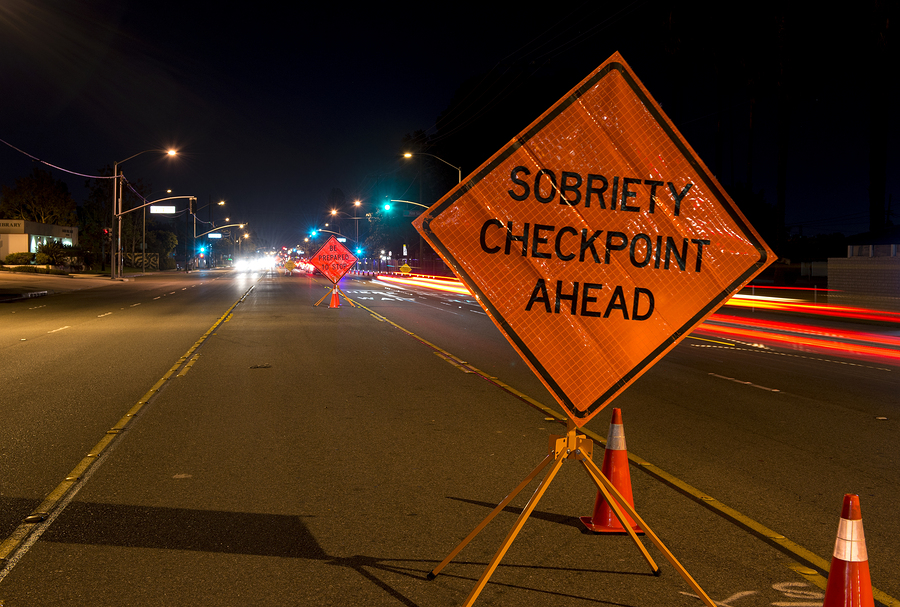
Driving while impaired (DWI) causes more than 10,000 deaths per year in the United States. Although enforcing criminal sanctions for DWI is the traditional response, the success of these measures has been inconsistent. This study looked at risk perceptions as a method of reducing the frequency of DWI – in other words, whether the threat of being apprehended for DWI can deter people from engaging in this behavior.
Researchers examined survey data collected from individual drivers, police, and defense attorneys specializing in DWI in eight U.S. cities. They compared two measures to determine which was a better deterrent of alcohol-impaired driving: the threat of being apprehended for DWI or harsher penalties for DWI.
 Individuals reported that a greater perceived chance of being pulled over for DWI corresponded to less alcohol-impaired driving on their part. Conversely, individual perceptions of DWI penalties were unrelated to their self-reports of current or future alcohol-impaired driving. The authors suggested that increasing the certainty of apprehension by increasing police staffing and/or conducting more sobriety checks would likely be more effective in reducing alcohol-impaired driving than legislating increased penalties.
Source: Research Society on Alcoholism
Was this article valuable?
Here are more articles you may enjoy.
 Prime London Homes Are Increasingly on Frontlines of Extreme Weather
  Hackers Tricked Asos Employee to Steal Work Account Login
  Slips, Trips And Falls: Why It’s Important to Get Ahead of An Incident
  TikTok Accused by NY of Running Secret Safety Tests on Teens
Want to stay up to date?
Get the latest insurance news
sent straight to your inbox.